
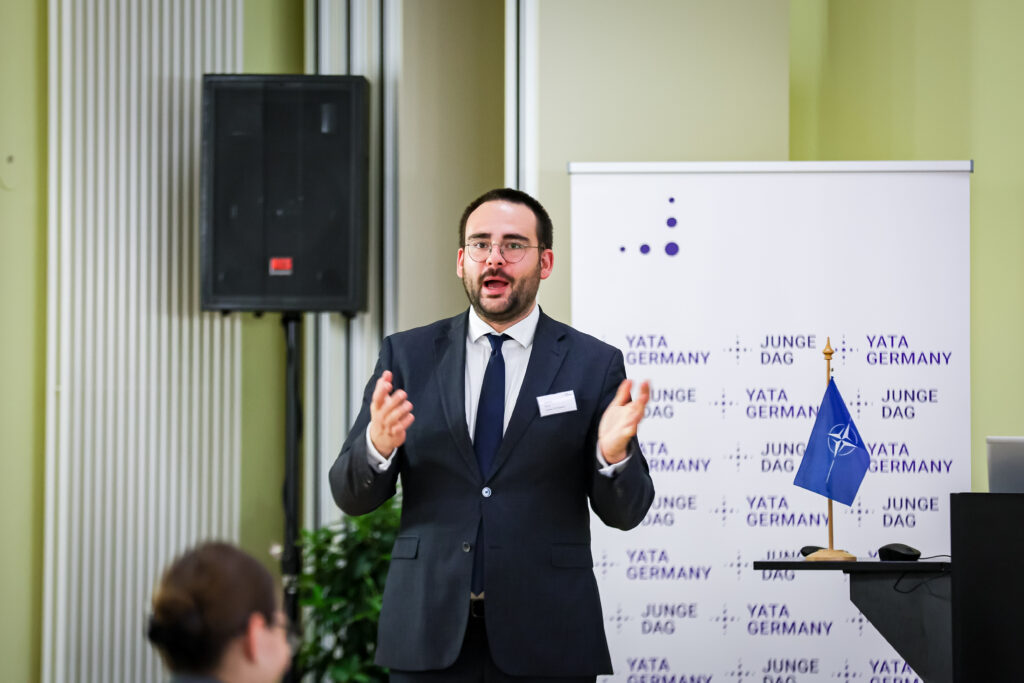
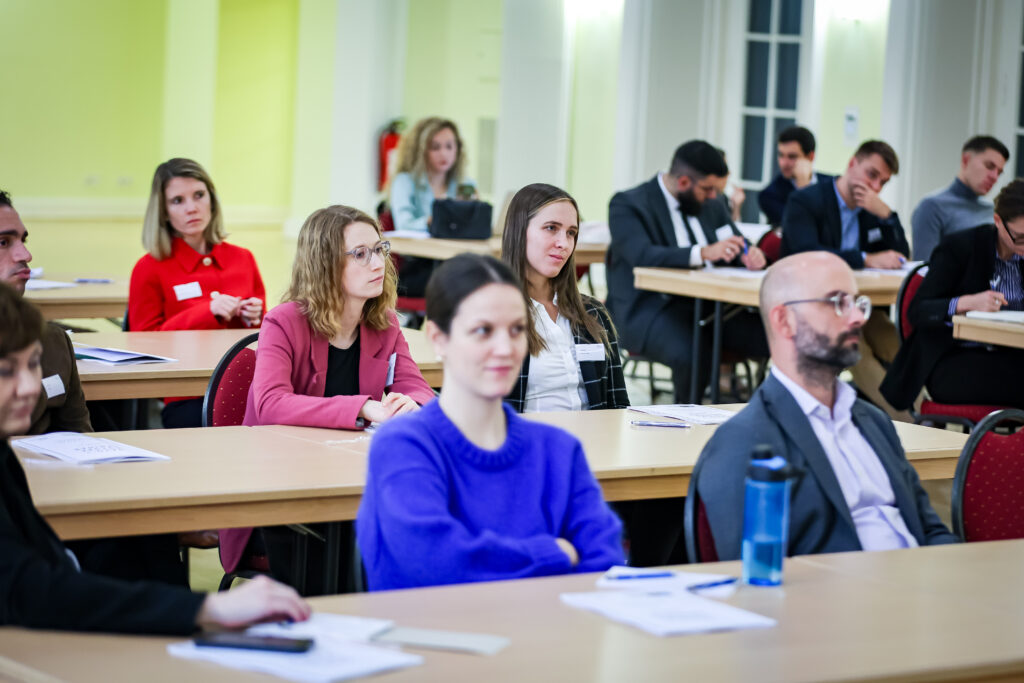
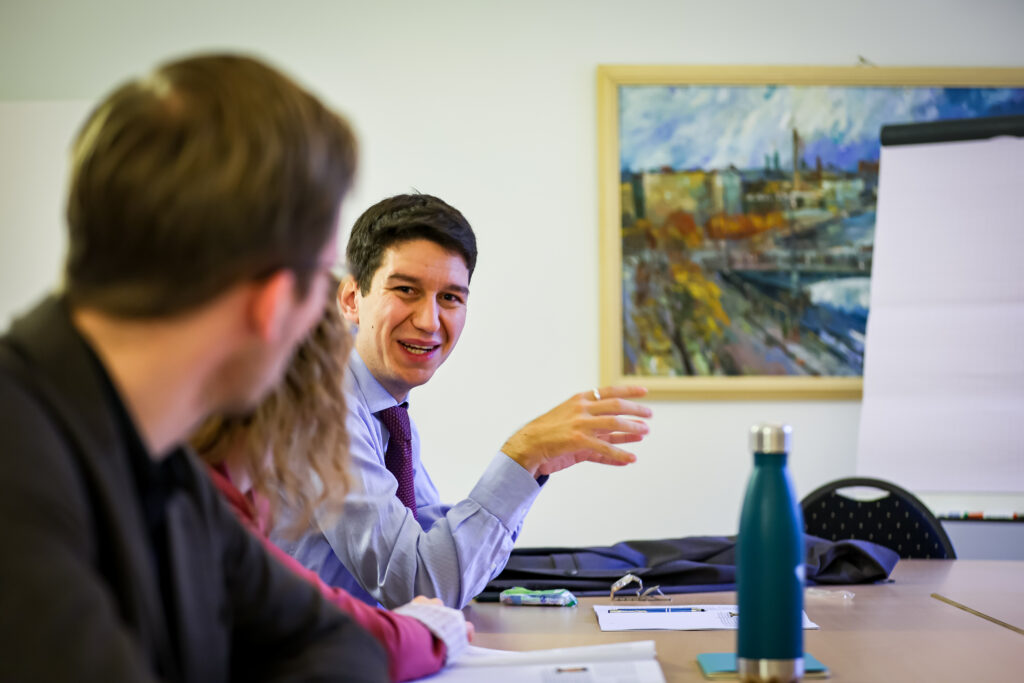
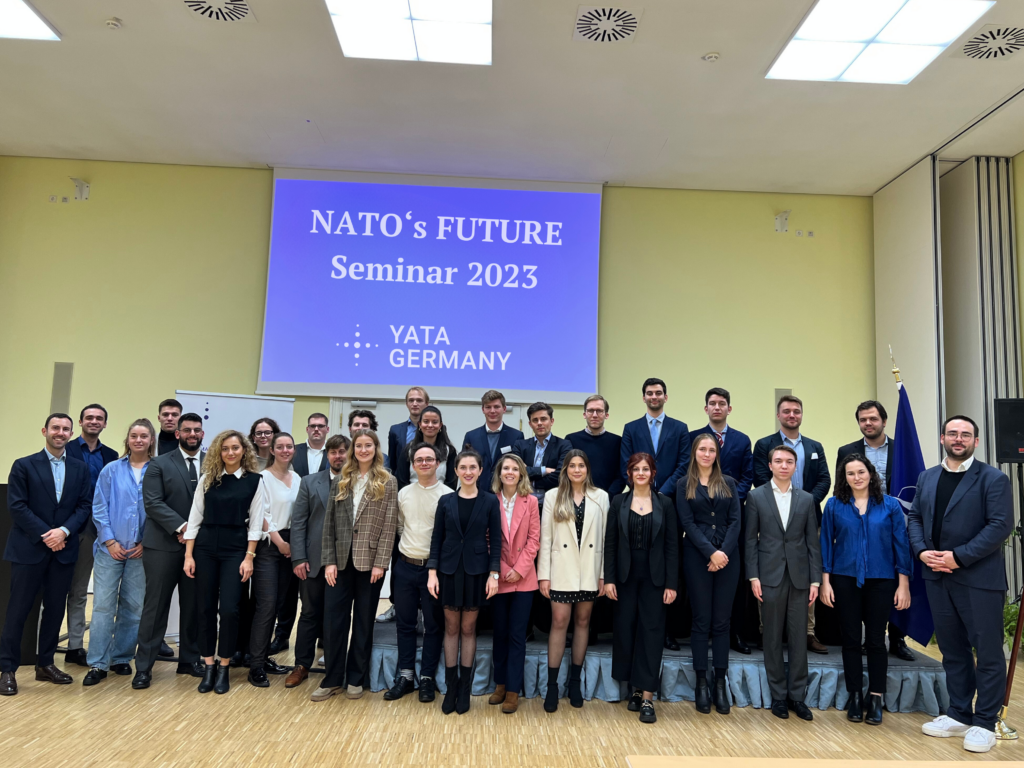
The seminar brought together 35 participants from twelve NATO member countries, and fostered an environment of in-depth discussion and policy development on critical defence issues.
The seminar was marked by the presence of esteemed guest speakers, including Kai Rohrschneider, Lieutenant General and Director Forces Policy at the Federal Ministry of Defence, Germany; Brigadier General Jared Sembritzki, Head of Department Operations at Army Command; Johannes Arlt, Member of the Bundestag; Tobias Süß, Director of Political Affairs Germany at Hensoldt; Lieutenant General (ret.) Heinrich Brauss, former NATO Assistant Secretary General for Defence Policy and Planning; and Karl Lamers, former Chair of the NATO Parliamentary Assembly, among others. Their insights and expertise greatly enriched the seminar’s discussions.
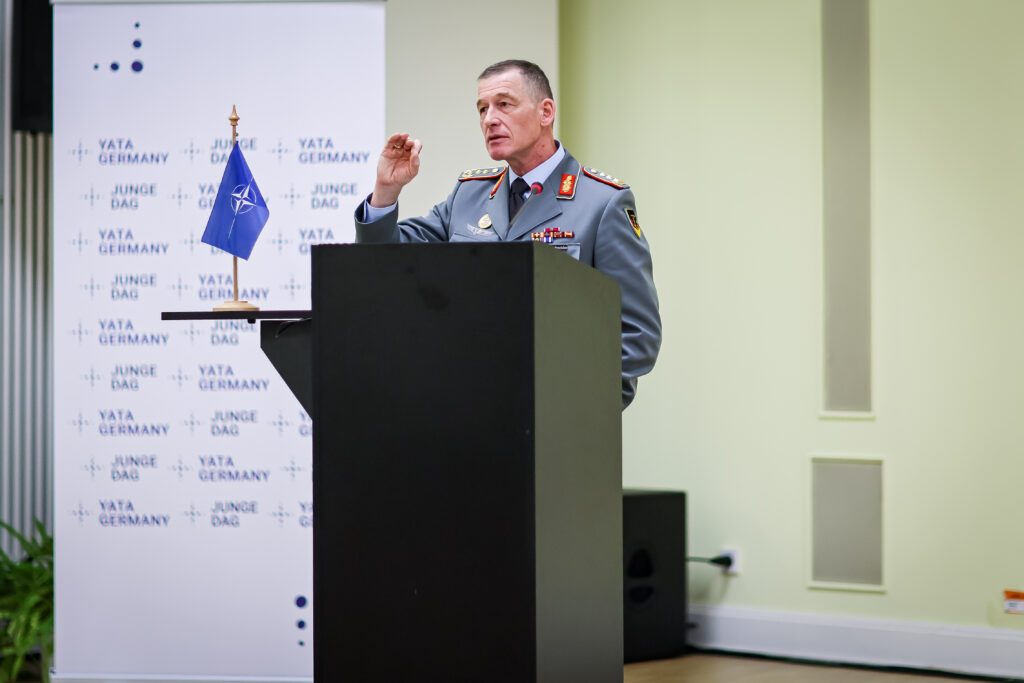
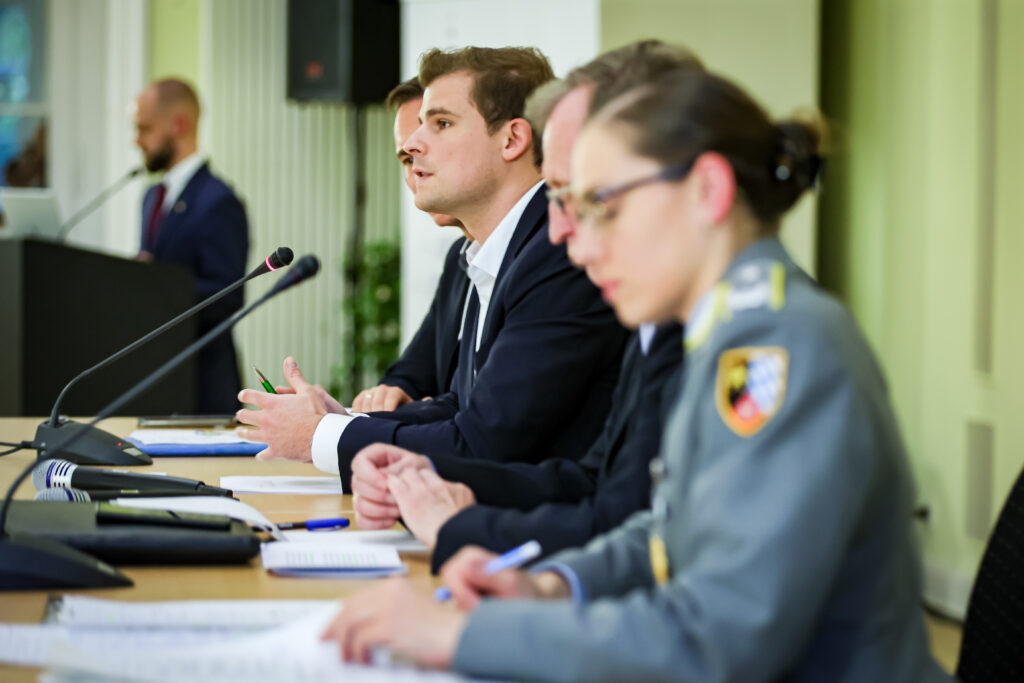
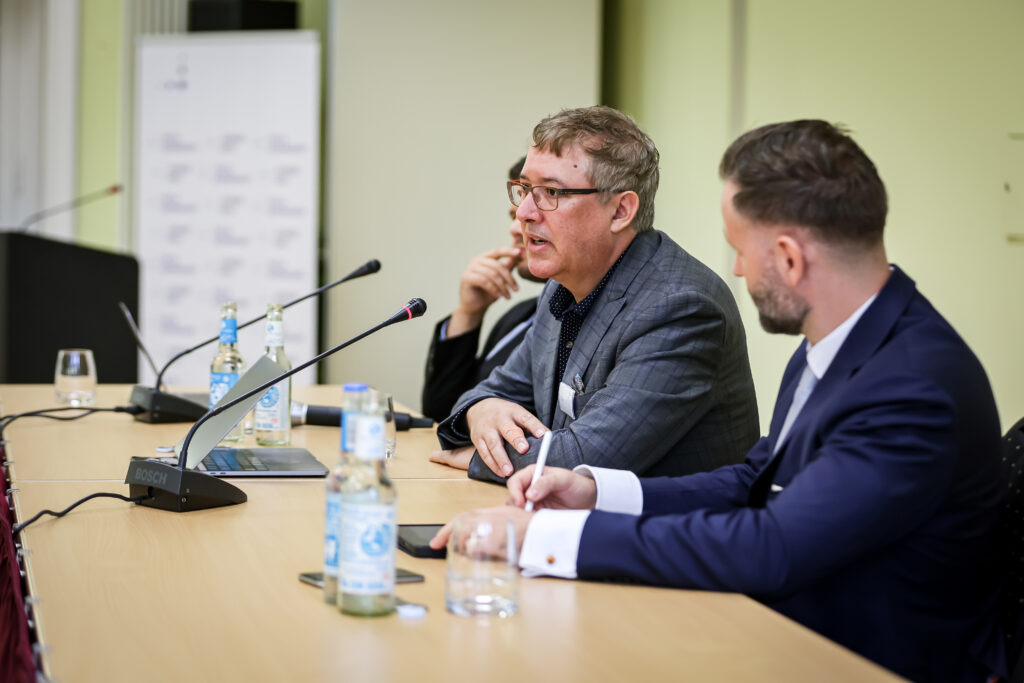
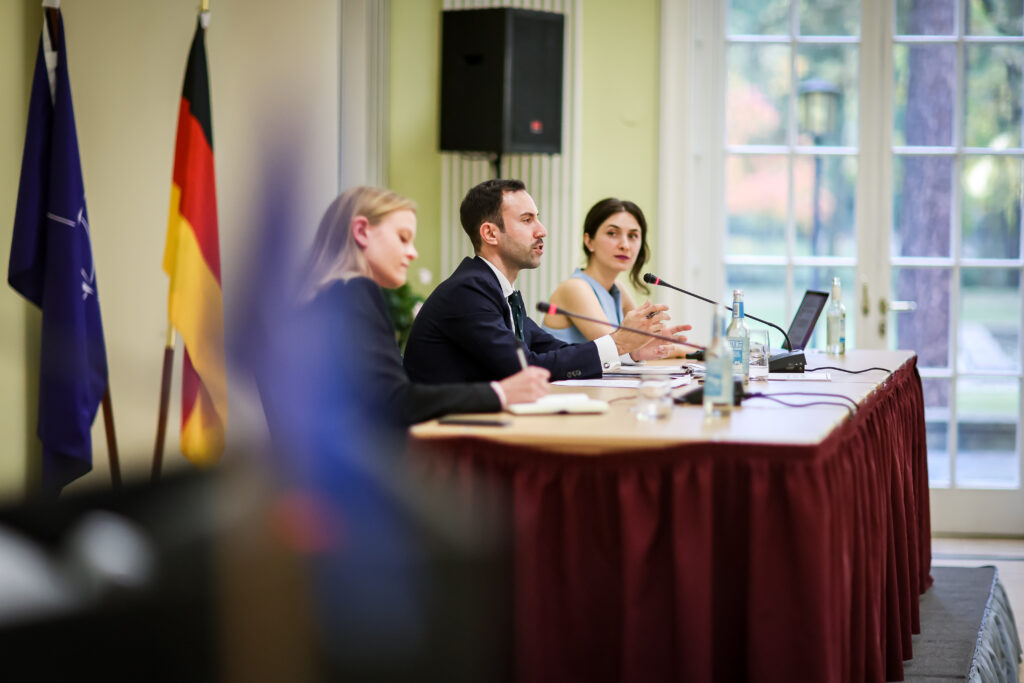
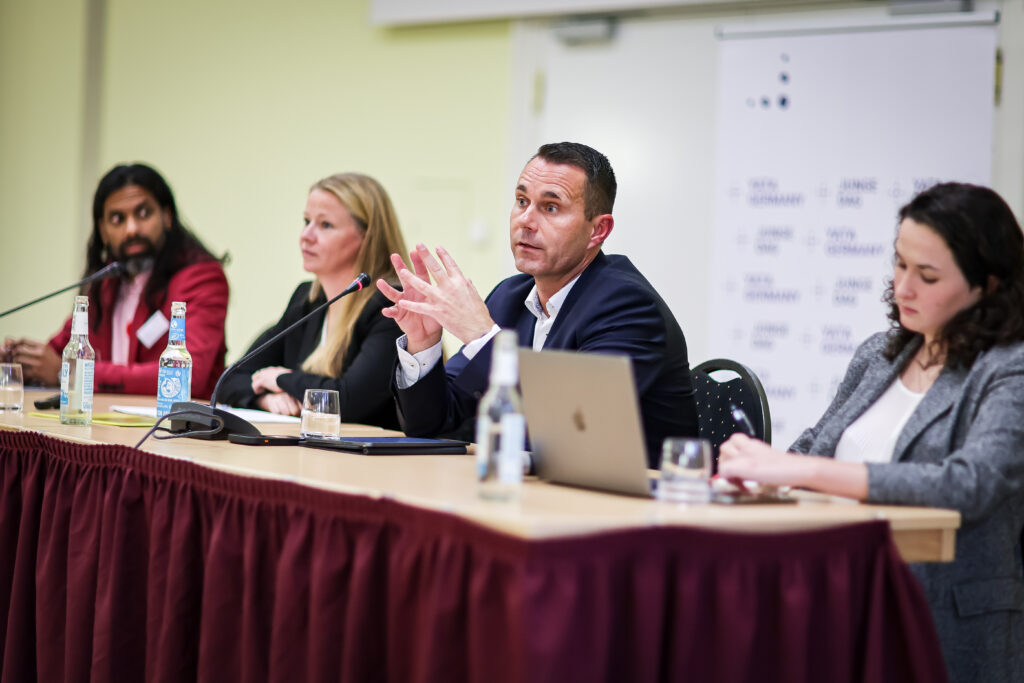
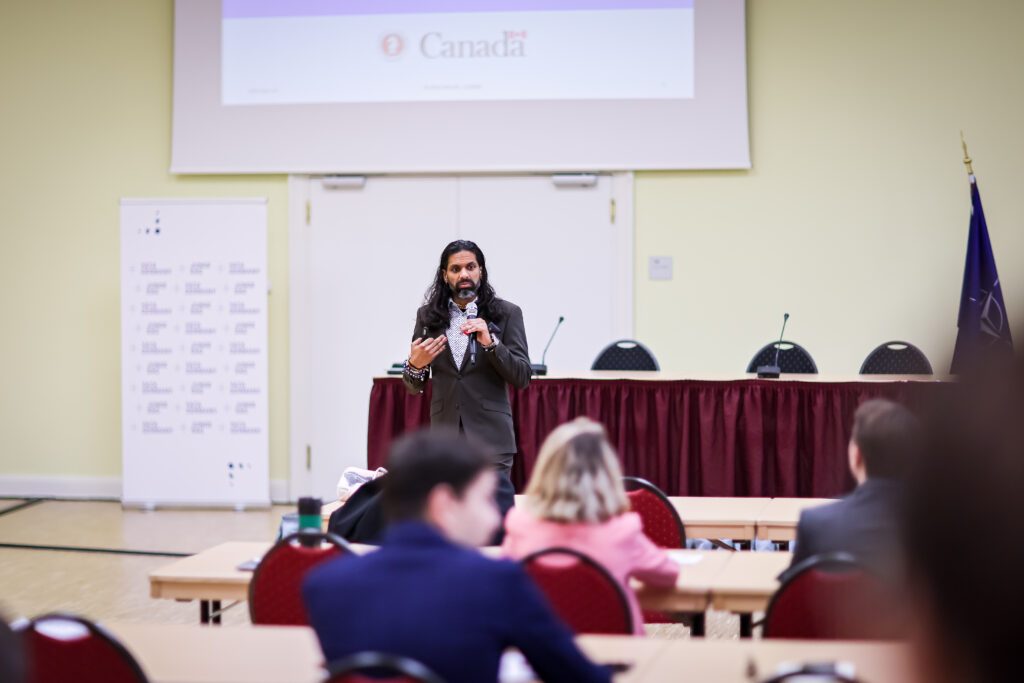
The seminar was structured around three working groups, each focusing on a different but crucial aspect of NATO’s strategic challenges.
- Enabling Multi-Domain Operations in NATO
- The group worked on how we can establish a mindset of the “will to transform” and how to create a capability-oriented approach
- Emphasis was placed on establishing a proactive mindset towards transformation and raising awareness about the criticality of infrastructure protection.
- Strategic Challenge of Melting Ice in the North
- Key recommendations included enhancing NATO’s research capacity in the High North, assessing safety and security risks in the Arctic, and implementing a combined approach to strengthen NATO’s Northern Flank.
- The group also advocated for NATO’s active role in mitigating geopolitical tensions in the High North, including enhancing codes of conduct among Arctic stakeholders.
- Integrating Finland and Sweden: The Path to the Alliance
- Proposals were made for establishing a joint command structure for the Nordic and Baltic states, reflecting the expanded Northern dimension of NATO.
- The group stressed the importance of coordinating procurement across the alliance and prioritising the protection of critical infrastructure, including establishing a Centre of Excellence for Maritime Critical Infrastructure.

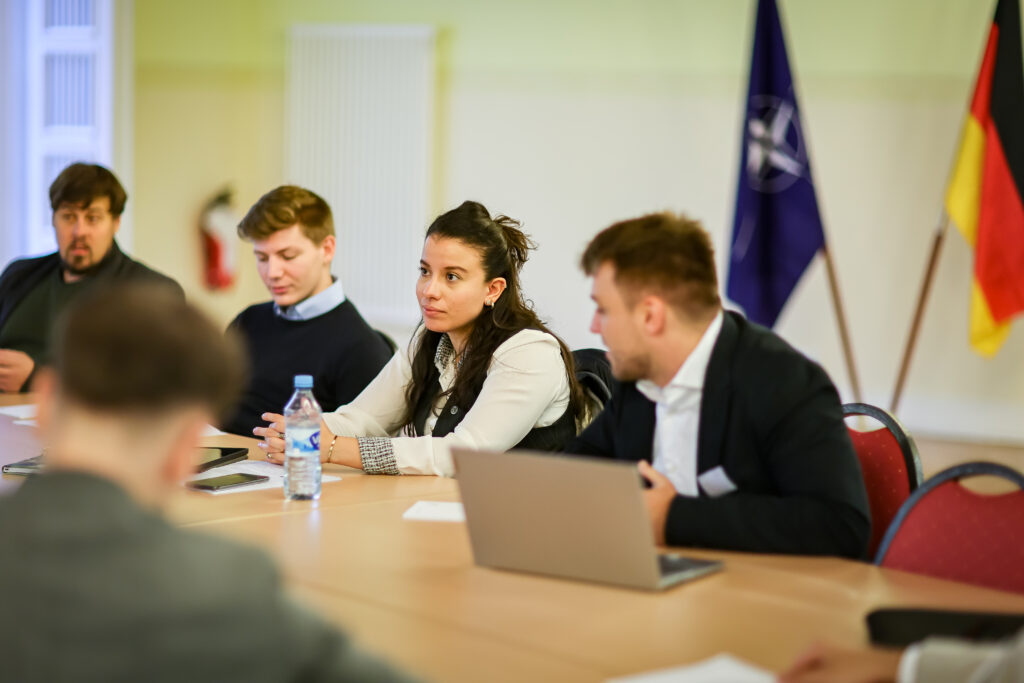
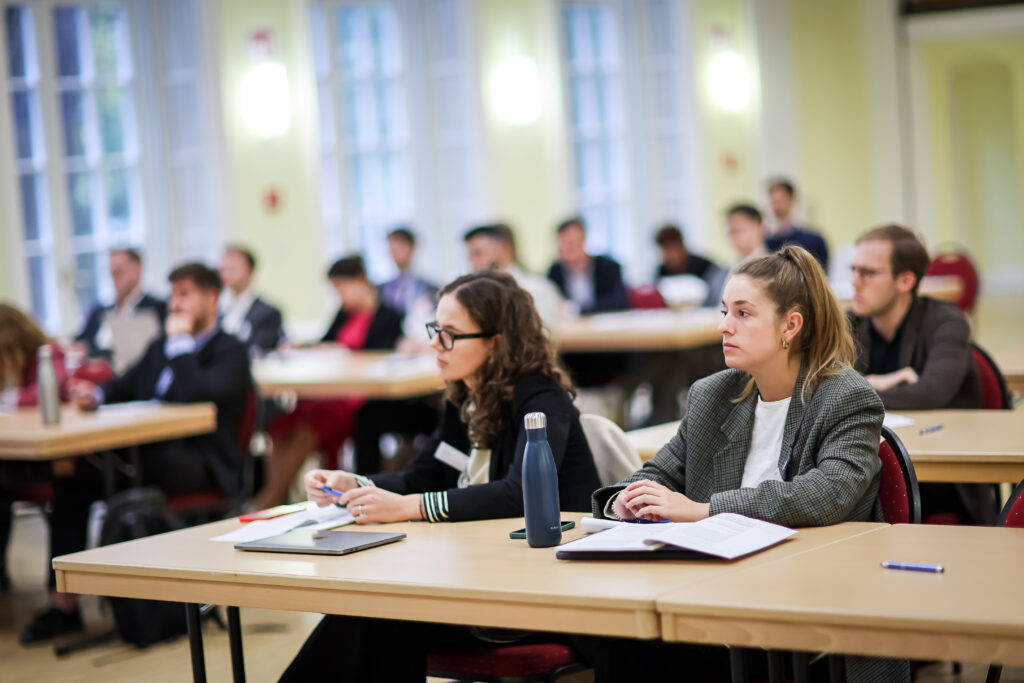
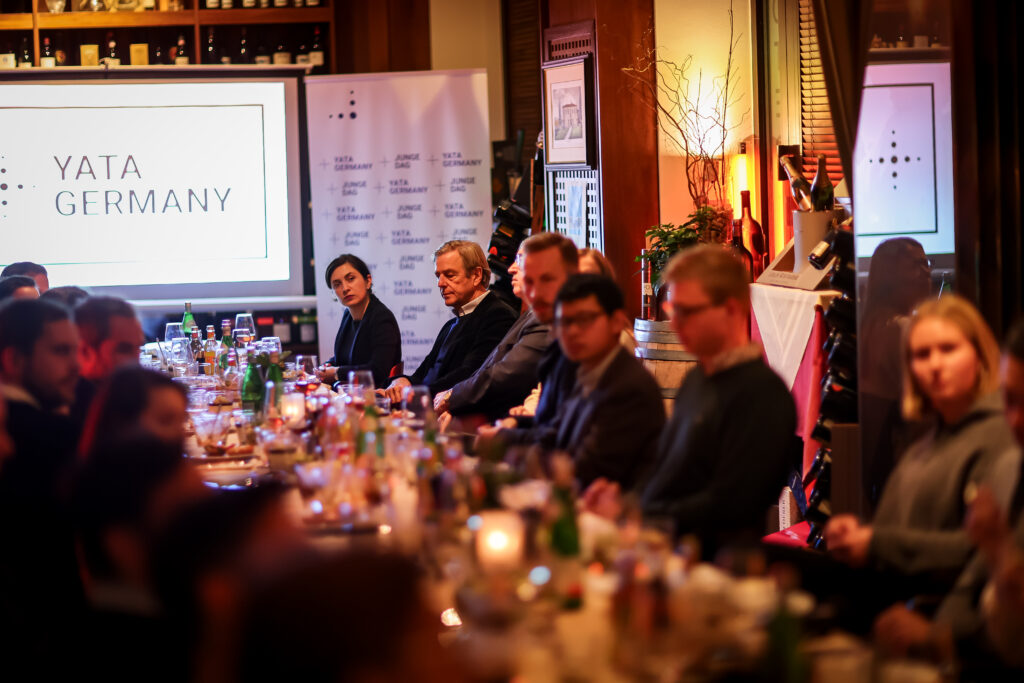
Participants commented on the seminar’s pleasant atmosphere, which allowed for fruitful dialogue and produced actionable policy recommendations for NATO. The participation of a diverse group of young professionals and students alongside seasoned experts provided a dynamic and multifaceted perspective on the challenges and opportunities facing NATO today. The seminar’s recommendations have the potential to influence NATO’s strategic direction and operational effectiveness, and contribute to collective defence.
YATA Germany, supported by NATO’s Public Diplomacy Division, successfully demonstrated the importance of engaging the next generation of leaders in shaping the future of NATO and its strategic endeavours.
The board of YATA Germany would like to thank the many active members who helped to prepare the seminar and made it a great success.


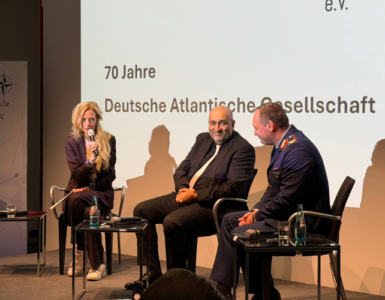
 Jürgen Fischer
 Omid Nouripour
 Holger Radmann
 Christian Schmidt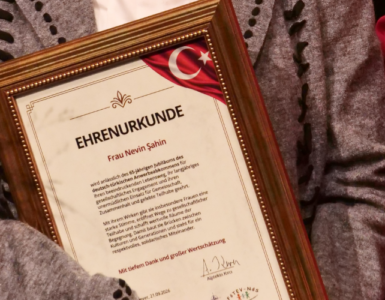
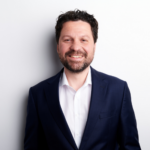 Alptekin Kirci
 Olaf Lies
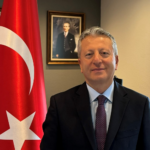 Yusuf Arikan
 Seyhan Öztürk
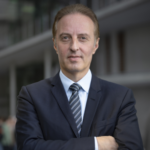 Macit Karaahmetoğlu
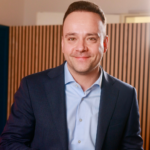 Maximilian Schmidt