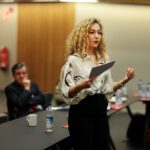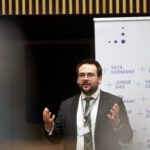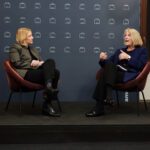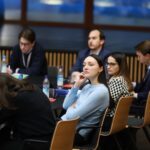
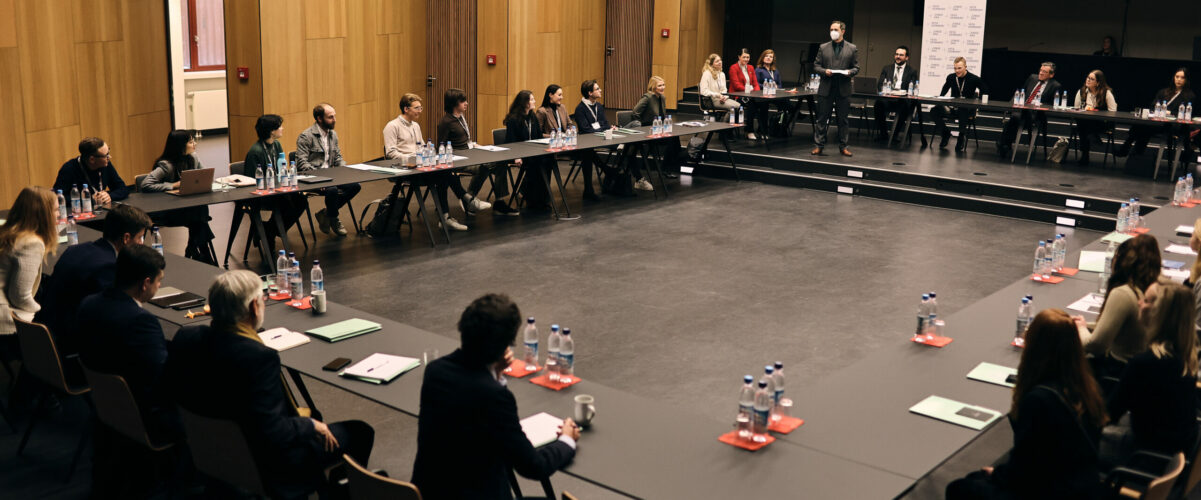
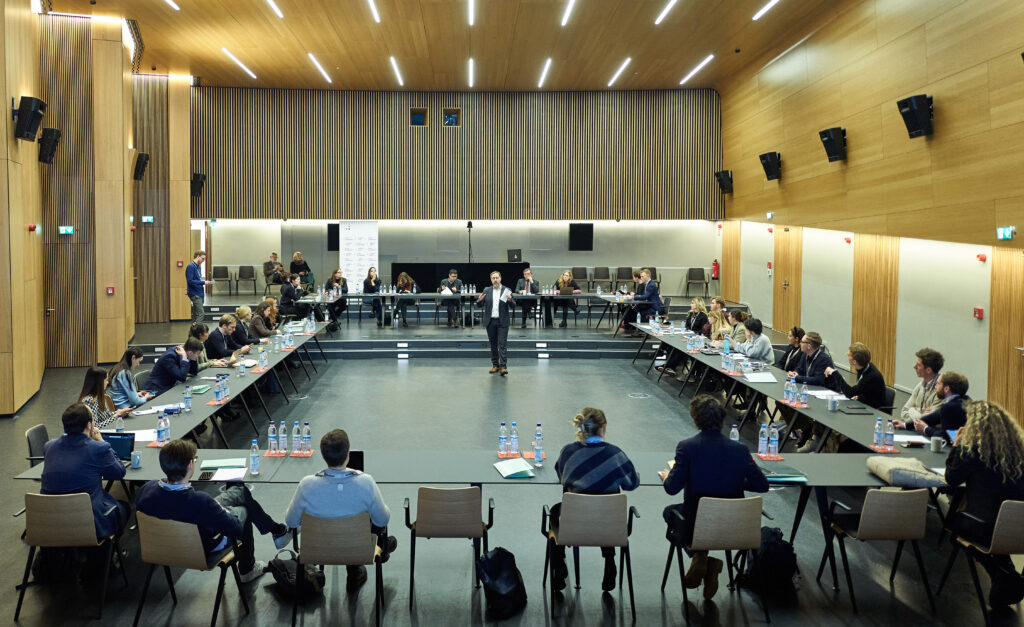
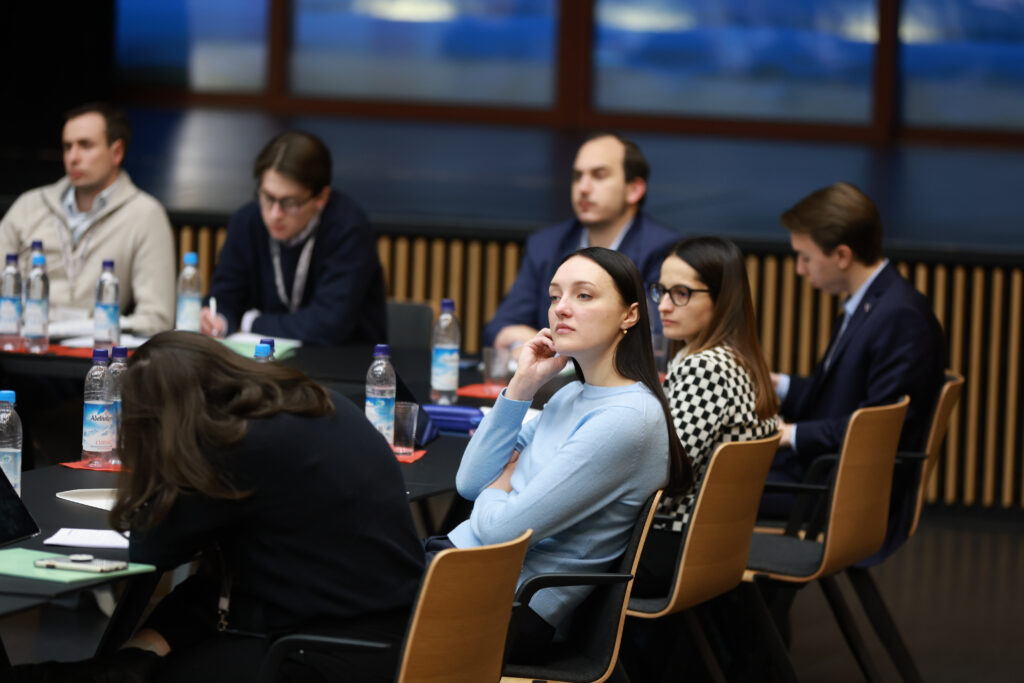
The 1st Bavarian-American Winter School, which took place in Munich in cooperation with the Amerikahaus Munich, the Young Security Conference, the Young DGAP, YATA International, NATO and others, has come to a successful end. This year’s topic »EU and USA – a strong alliance? Reordering Geopolitics in the Wake of Putin’s War,« brought together experts and participants from around the world to engage in critical discussions on the future of the transatlantic relationship, with a special focus on security, diplomacy, and defense.
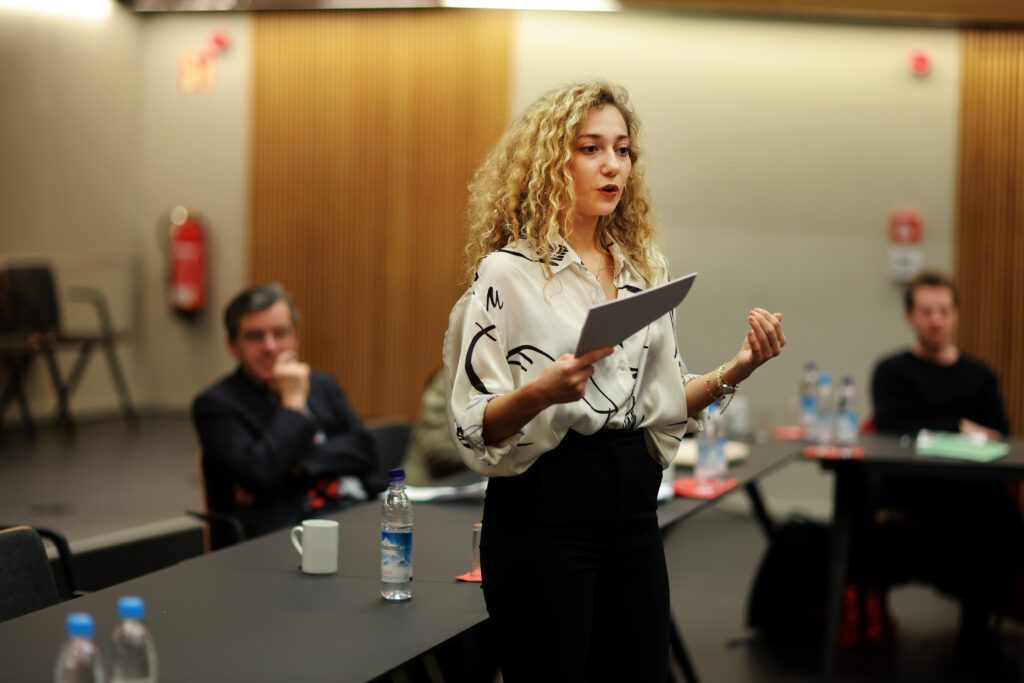
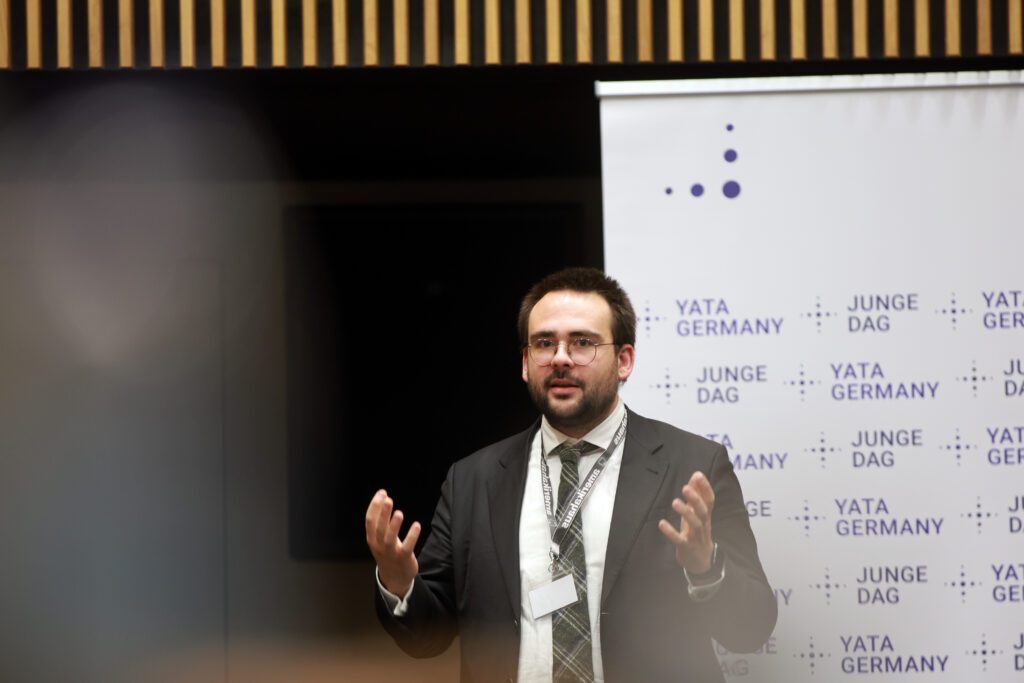
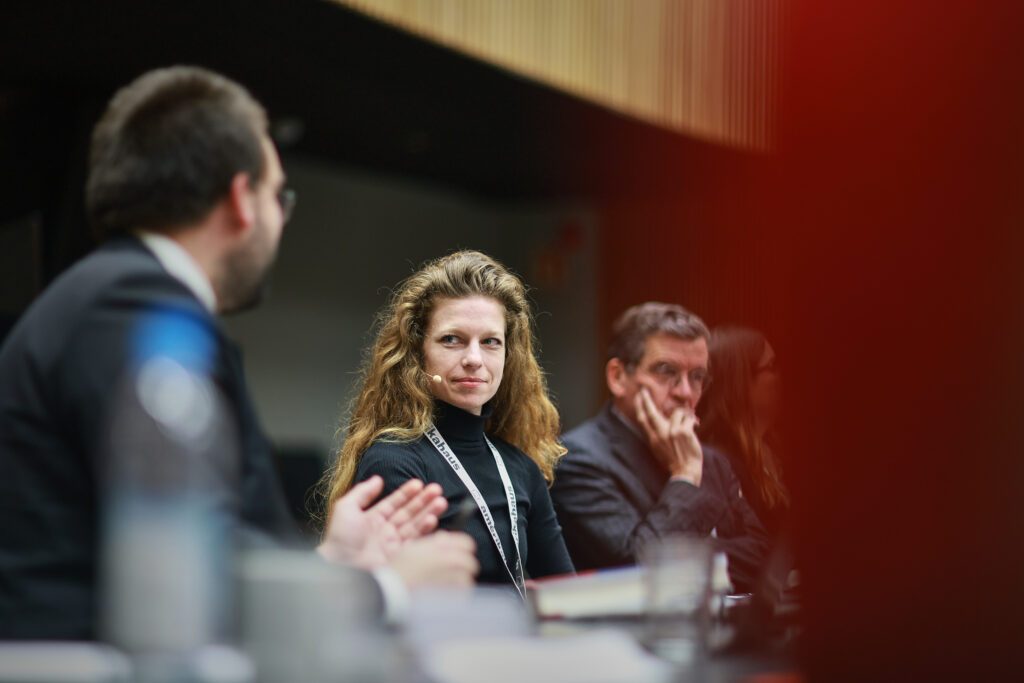
Key highlights of the Winter School included:
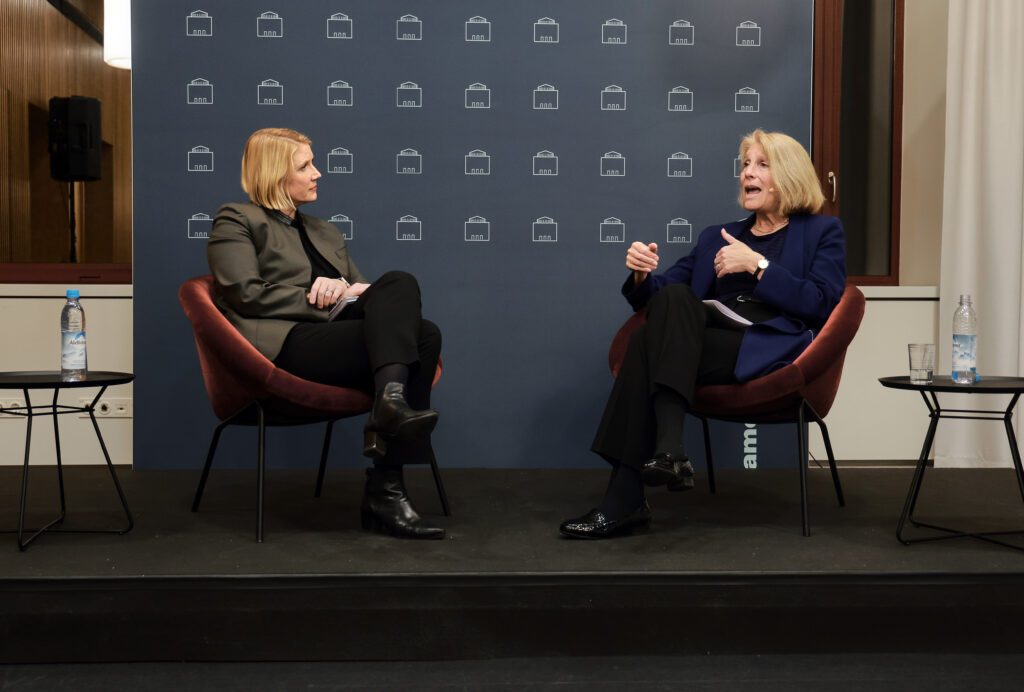
* Insights into the Transatlantic Relationship: The session with Karen Donfried and Cathryn Clüver Ashbrook focused on the evolving nature of the EU-US relationship. The discussion highlighted the complexity and the need for continued dialogue and cooperation in addressing global challenges.
* NATO’s response to Russia’s invasion of Ukraine: On the second anniversary of the conflict in Ukraine, the Winter School examined changes in NATO’s information-sharing processes and the evolving political landscape that poses new challenges for the Alliance.
* NATO Simulation: A highlight of the Winter School was the NATO Simulation led by Brigadier General (ret.) Rainer Meyer zum Felde. This interactive session provided participants with a unique, hands-on experience in understanding the intricacies of NATO operations and decision-making. Through this simulation, participants were able to engage in realistic scenarios and grapple with the complexities of international diplomacy and military strategy within the NATO framework. This exercise not only enhanced their understanding of NATO’s dynamic role in global security, but also highlighted the importance of strategic thinking and collaborative problem solving in high-pressure situations. Brigadier General Meyer zum Felde’s expert leadership ensured an enlightening experience that left a lasting impact.
* Nuclear threats and hybrid warfare: Julia Franziska Berghofer’s presentation examined the resurgence of nuclear threats and the concept of »nuclear IQ.« She also addressed the impact of disinformation in the digital age, the dynamics of hybrid warfare, and provided insights into current and emerging security challenges.
* Relevance of NATO’s Article 5: Chaired by Selin Yılmaz, this critical session discussed the current relevance of NATO’s Article 5 in the face of evolving threats and the potential need to reform or update it to remain effective in today’s geopolitical climate.
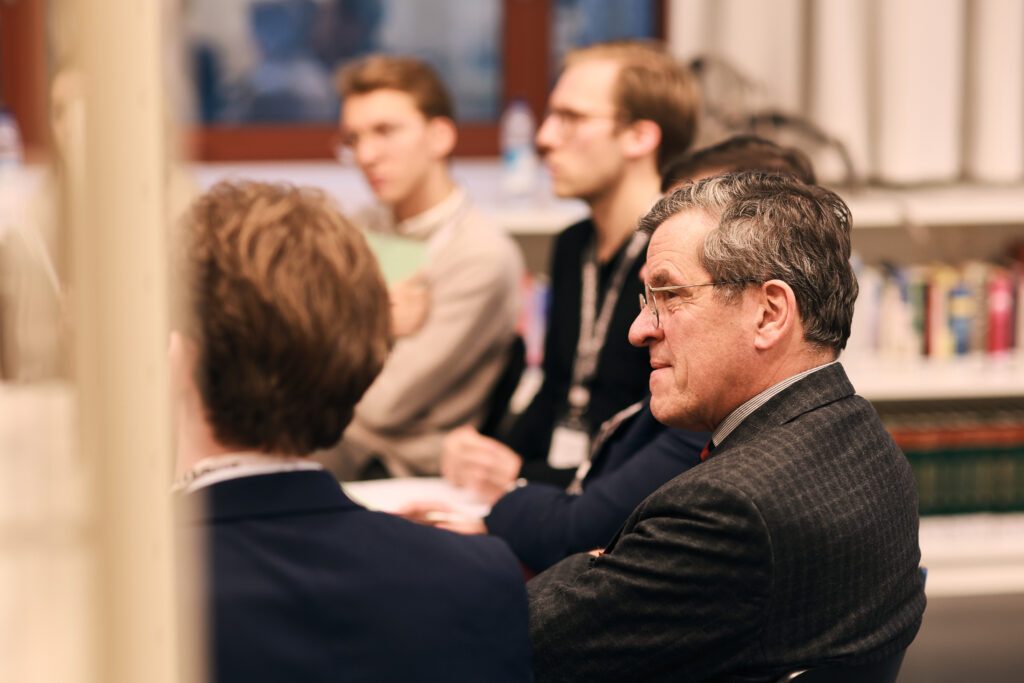

Looking ahead:
In the wake of Putin’s war against Ukraine, the united response of the United States and Europe was a testament to the strength of Western democracies. However, the Winter School also highlighted fundamental fractures within the transatlantic partnership and divergent responses to the reshaping of global geopolitics, particularly in the context of China’s rise. These discussions set the stage for future efforts to strengthen the transatlantic partnership and develop resilient strategies for NATO and Western democracies.
The 1st Bavarian-American Winter School paved the way for deeper understanding and closer cooperation in addressing global security challenges and underscored the importance of continued dialogue and joint efforts to shape a secure and stable global order.
Acknowledgements and Reflections:
Our special thanks go to all participants, especially the core academic team – Brigadier General (ret.) Rainer Meyer zum Felde, David Rowe, and Cathryn Clüver Ashbrook – for their invaluable contributions.
Fotos: Amerikahaus/ Johannes Simon

 Alda Vanaga
 Katy Hoffmeister
 Julian Schmidt-Thomée
 PD Dr. Bastian Matteo Scianna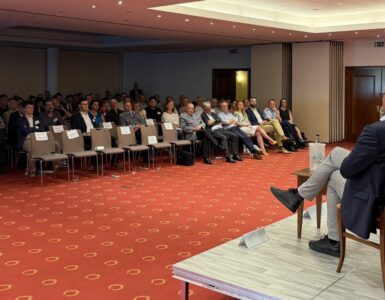

 Mariam Kublashvili (MA)